Mastering Urban Photography Techniques and Nature Photography Skills
- Jeff Bana

- Mar 19
- 4 min read
Photography is a journey of discovery. Every click of the shutter invites me to see the world through a fresh lens. Whether I’m wandering the bustling streets of a city or exploring the quiet corners of nature, I find endless inspiration. Today, I want to share some of the techniques that have helped me master both urban photography techniques and the art of capturing nature’s beauty. These tips are practical, easy to apply, and designed to help you create images that tell compelling stories.
Embracing Urban Photography Techniques
Urban photography is a vibrant playground. The city offers a rich tapestry of shapes, colors, and moods. To truly capture its essence, I focus on a few key techniques:
Look for Geometry and Lines: Cities are full of architectural marvels. I seek out strong lines, patterns, and shapes that guide the viewer’s eye. Bridges, staircases, and skyscrapers provide perfect subjects. Shooting from a low angle can emphasize height and grandeur, while a high vantage point reveals the city’s sprawling complexity.
Play with Light and Shadow: Urban environments create dramatic contrasts. Early morning or late afternoon light casts long shadows that add depth and mystery. I often wait for moments when sunlight filters through buildings, creating natural spotlights on interesting details.
Capture Movement and Life: The city never sleeps. People, cars, and street vendors add energy to my shots. Using a slower shutter speed, I blur motion to convey hustle and bustle. Alternatively, freezing a candid moment can reveal a story in a single frame.
Focus on Details: Sometimes, the beauty lies in small things—a weathered door, graffiti art, or reflections in puddles. These details add texture and personality to urban scenes.
By combining these techniques, I create images that feel alive and authentic, inviting viewers to experience the city’s pulse.

Exploring Nature Photography Techniques
Nature photography invites a different kind of patience and sensitivity. It’s about tuning into the subtle rhythms of the natural world and capturing moments that often go unnoticed. Here’s how I approach it:
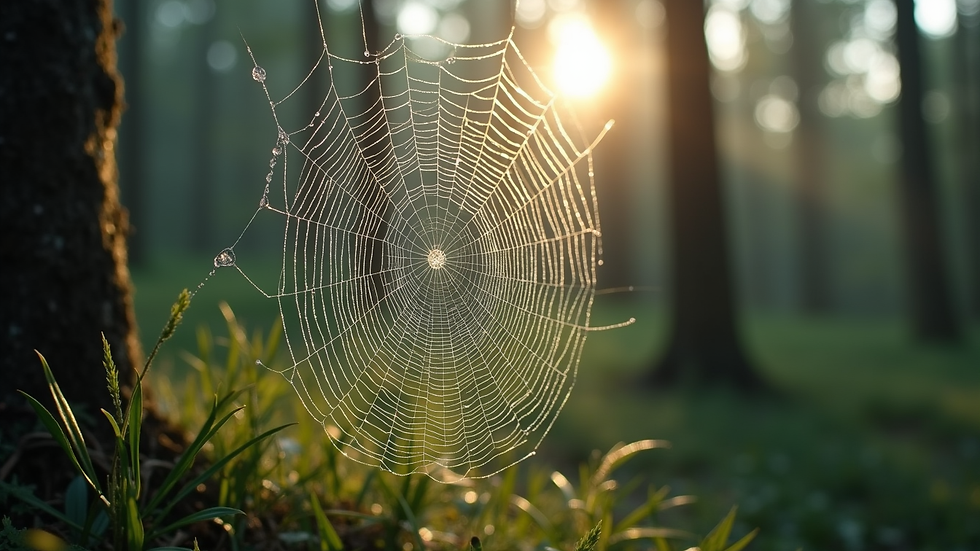
Use Natural Light to Your Advantage: Soft, diffused light during golden hours enhances colors and textures. I avoid harsh midday sun, which can flatten landscapes. Overcast days are perfect for capturing rich, saturated greens and intimate forest scenes.
Focus on Composition and Depth: I use foreground elements like flowers or rocks to create depth. Leading lines such as rivers or trails draw the eye into the frame. The rule of thirds helps balance the composition, but I also experiment with symmetry and negative space.
Be Patient and Observant: Wildlife and natural phenomena require waiting and watching. I keep my camera ready and stay quiet to avoid disturbing the scene. Sometimes, the best shots come from unexpected moments—a bird taking flight or a sudden change in weather.
Experiment with Perspectives: Getting low to the ground or climbing higher vantage points reveals new angles. Macro lenses help me capture intricate details like dew on a leaf or the texture of bark.
Nature photography is a dance with light, time, and environment. It rewards those who slow down and truly see.
Essential Gear and Settings for Both Worlds
Choosing the right gear and settings can make a big difference in your photography. Here’s what I rely on:
Camera and Lenses: A versatile DSLR or mirrorless camera works well. For urban scenes, a wide-angle lens (16-35mm) captures expansive views, while a 50mm prime lens excels at street portraits and details. In nature, a telephoto lens (70-200mm) helps with wildlife, and a macro lens reveals tiny wonders.
Tripod: Essential for low-light conditions and long exposures, especially in nature or night urban photography.
Settings: I shoot in RAW to retain maximum detail. For sharp images, I use a low ISO (100-400). Aperture depends on the subject—wide apertures (f/1.8-f/4) for portraits and shallow depth of field, smaller apertures (f/8-f/16) for landscapes and cityscapes to keep everything in focus.
Filters: Polarizing filters reduce glare and enhance colors, great for both urban reflections and natural scenes. ND filters allow longer exposures during daylight, perfect for smoothing water or capturing light trails.
Investing time in understanding your gear and settings empowers you to capture your vision with confidence.
Developing Your Unique Style and Vision
Photography is not just about technique; it’s about expressing your perspective. Here’s how I nurture my creative voice:
Experiment Regularly: I try different angles, lighting conditions, and subjects. Sometimes, breaking the rules leads to the most striking images.
Study Other Photographers: I find inspiration in the work of others, analyzing what moves me and why. This helps me refine my own approach.
Tell Stories: Every photo should evoke emotion or curiosity. I think about the story behind the scene and how to convey it visually.
Edit Thoughtfully: Post-processing enhances the mood without overpowering the image. I adjust contrast, color balance, and sharpness to bring out the best in each shot.
By embracing these practices, I create a portfolio that reflects my passion and invites others to see the world through my eyes.
Bringing It All Together: The Joy of Urban and Nature Photography
Mastering photography in both cityscapes and natural settings enriches my creative journey. The contrast between the structured chaos of urban life and the serene beauty of nature challenges me to adapt and grow. Whether I’m capturing the glow of neon lights or the soft rustle of leaves, I feel connected to the world around me.
If you want to explore this exciting blend, I encourage you to dive in with curiosity and patience. Remember, the magic lies in the details, the light, and the moments you choose to freeze in time. For those interested in exploring more about urban and nature photography, there’s a wealth of inspiration and resources waiting to be discovered.
Photography is a gift we give ourselves and others—a way to celebrate the beauty that surrounds us every day.


Comments